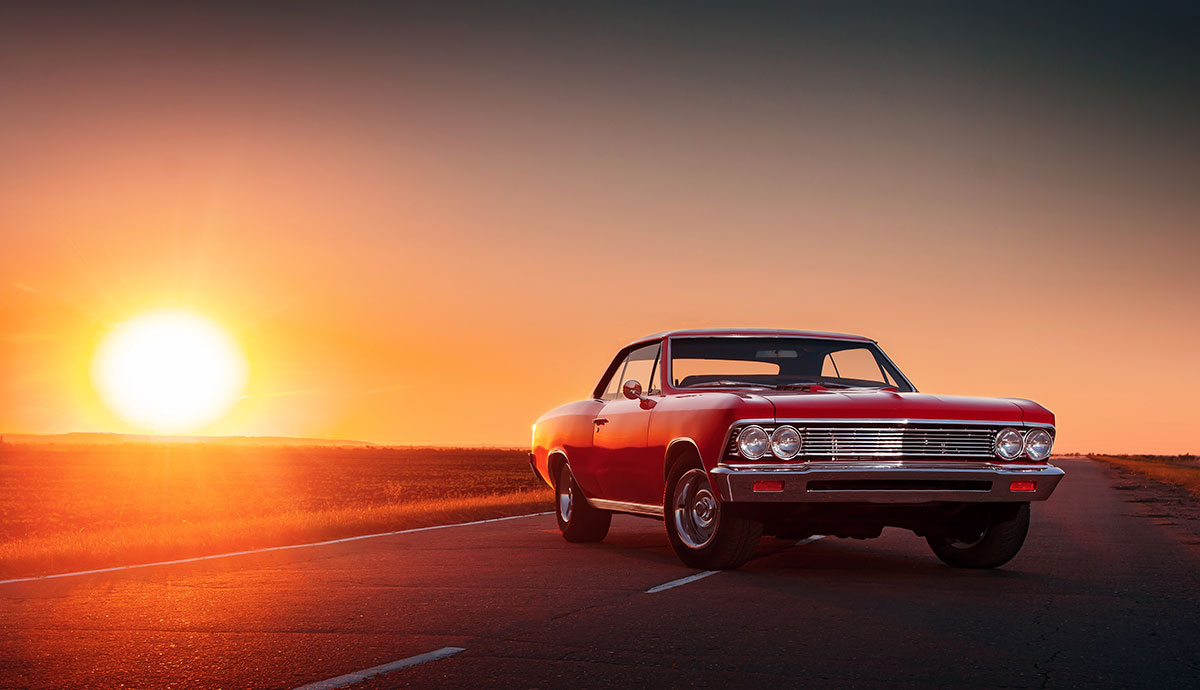
Life as a football coach can be intense. Between practices, games, recruiting, and mentoring young athletes, the schedule often feels non-stop. Over my years coaching at high school, junior college, and college levels, I have learned the importance of balance. Pursuing hobbies outside of coaching is essential for maintaining perspective, reducing stress, and recharging mentally and emotionally. For me, classic cars have become that outlet—a passion that complements my career rather than competes with it.
Finding Time for Hobbies
Coaching requires dedication, discipline, and long hours. It is easy to let work consume all your energy and attention. However, I have learned that making time for hobbies is not a luxury—it is a necessity. Engaging in activities you enjoy allows you to step away from daily pressures, reflect, and return to your work with renewed focus and energy.
Classic cars are my escape. Restoring a vintage vehicle, polishing chrome, or tuning an engine requires patience, attention to detail, and a sense of satisfaction that is different from coaching. The time I spend on cars is quiet, rewarding, and completely separate from the fast-paced, high-stress environment of football.
Patience and Precision
Working on classic cars teaches lessons that parallel coaching. Every repair, adjustment, or restoration requires patience and precision. Mistakes can be costly, and rushing through a task often leads to frustration. Similarly, coaching demands careful planning, attention to detail, and consistent effort.
I have found that the patience I develop in the garage translates directly to the field. When teaching a quarterback to read defenses or coaching linemen on proper technique, it helps to approach challenges methodically, with a steady and calm mindset. Hobbies like restoring cars reinforce those qualities and remind me that good things take time and effort.
A Sense of Accomplishment
One of the most rewarding aspects of both coaching and classic car restoration is seeing tangible results from hard work. In football, it may be a player mastering a skill, a well-executed play, or a championship victory. In classic car restoration, it is completing a project, seeing a polished finish, or hearing an engine roar to life.
Both experiences teach that dedication and effort lead to accomplishment. They remind me to celebrate progress and achievements, no matter the scale. Finding satisfaction in small victories fuels motivation and helps maintain a positive mindset in all areas of life.
Stress Relief and Mental Clarity
Coaching can be mentally and emotionally demanding. Managing players, staff, parents, and administrative responsibilities can be overwhelming at times. Hobbies provide an important outlet for stress relief and mental clarity.
Spending time with classic cars allows me to focus on a single task, quiet the mind, and recharge. That mental break makes me a better coach. After time in the garage, I return to football with a clearer perspective, more patience, and renewed energy to guide and mentor my players. Finding a hobby that provides this balance is essential for anyone in a high-pressure career.
Building Community Outside the Field
Hobbies also create opportunities to connect with others outside of your primary career. The classic car community is full of enthusiasts who share knowledge, experiences, and passion. Attending car shows, joining local clubs, and collaborating on restoration projects provides a sense of camaraderie similar to being part of a team.
These connections offer a different type of mentorship and support than coaching. They are relationships built on shared interests rather than performance or results. Engaging in community through hobbies fosters personal growth and enriches life beyond work.
Teaching Life Lessons Through Balance
Balancing hobbies and career is an important life lesson I share with my players. I encourage them to pursue activities they love outside of school and sports. Hobbies help build character, reduce stress, and provide perspective. Learning to manage time and responsibilities while maintaining personal interests prepares young people for life beyond athletics.
By modeling this balance, I demonstrate that success is not just about winning games or achieving professional milestones. It is also about cultivating well-roundedness, self-care, and personal fulfillment. Classic cars serve as a visible reminder that life is richer when you make time for passions outside of work.
Perspective and Reflection
One of the most valuable aspects of maintaining a hobby is the perspective it provides. Working on a car or engaging in a passion reminds me that life is multi-dimensional. Coaching is important, but it is just one part of a larger life experience. This perspective helps me approach challenges on the field with composure and humility.
Reflection is also key. While restoring a car, I often think about my coaching experiences, strategies, and interactions with players. These quiet moments provide insight and clarity, allowing me to return to work with new ideas and approaches. A hobby can be both restorative and enlightening, enhancing performance in all areas of life.
Final Thoughts
Finding balance between a career and personal interests is essential for long-term success and well-being. Coaching football demands time, energy, and focus, but pursuing hobbies like classic cars provides patience, perspective, and mental refreshment. Both experiences teach lessons about dedication, attention to detail, and the satisfaction of hard work.
Ultimately, balancing hobbies and career is about creating a fulfilling life. It allows you to be present and effective in your professional role while maintaining personal happiness and growth. Classic cars are more than just a hobby for me—they are a reminder that life is richest when we invest in both our passions and our responsibilities.